Wild-harvested, not farmed Bulk orders only · export enquiries
Bulk supplier and exporter of raw botanicals, Ayurvedic herbs, gums and honey
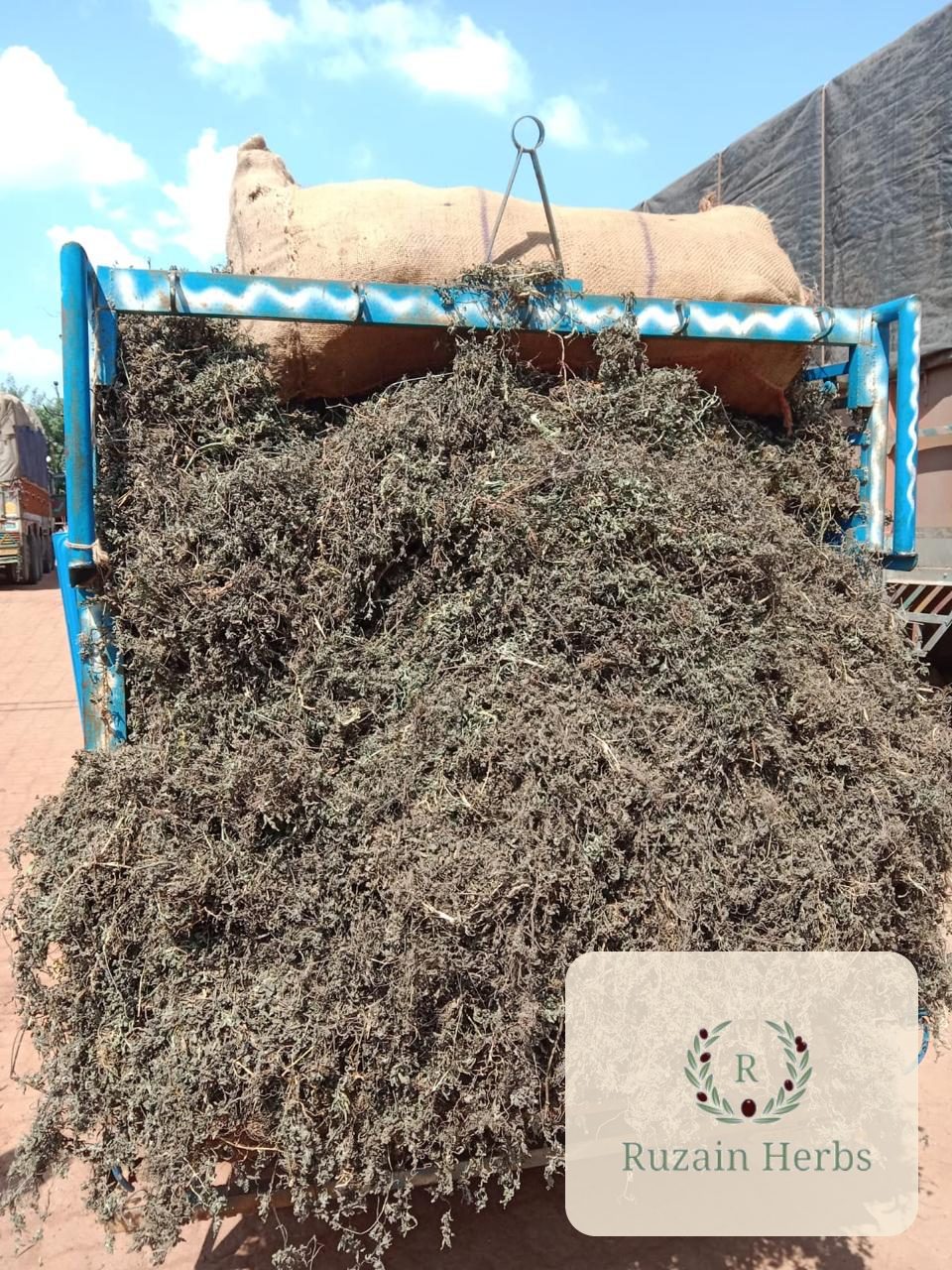
Wild-harvested, straight from the forests of Madhya Pradesh. Our collection centre sits at Shivpuri, and every item — leaf, root, bark, fruit, seed, gum and raw honey — is gathered by hand in its own season, at peak potency, and left as nature grew it: untouched, pure and natural.
We work only in bulk — Ayurvedic practitioners and manufacturers, pharmaceutical companies, extraction plants and global distributors. Because we buy from the forest ourselves, there is no middleman in the price you pay.
100% natural and wild-harvested
Everything is collected directly from the wild forests of Madhya Pradesh — nothing sown in rows, nothing pushed with fertiliser. Untouched, pure and natural, exactly as it grew.
Seasonal collection, peak potency
Each herb is taken in the month it carries the most weight and constituent value, and every lot is booked against the collector and the range it came from.
Bulk supply for global markets
We supply raw herbs in bulk to Ayurvedic units, pharmaceutical companies and international distributors, with GST invoicing, lab reports, export papers and repeat monthly schedules.
Best price, guaranteed
Sourcing straight from the forest removes the layers of traders in between, so the rate you get is the market’s best without anything given up on quality.
Our offering
Raw botanicals we trade through the year
Tap a herb to add it to your enquiry. Each card carries the botanical name, the names it travels under in the mandi, and whether it is wild-collected or grown.
No herb in the list matches that. It may still be something we can arrange — send us the name and quantity.
Not on the list? Still ask.
This is our list of generally traded items. The forest yields far more than what fits on one page, and much of it moves only when someone asks for it. If the herb you need is not listed — or you want another form, cut or grade — send an enquiry with the name and quantity and we will check what the season allows and revert with details.
Where it comes from
From the forest floor, through hands that know the plant
Our belt is dry deciduous forest between the Sindh and the Kuno — teak, khair, salai and neem, with the creepers and shrubs of Ayurveda growing wherever the canopy allows. Giloy climbs the neem, Bhatta Kateri holds the bunds, gum is tapped from standing trees in the ranges. None of it is sown.
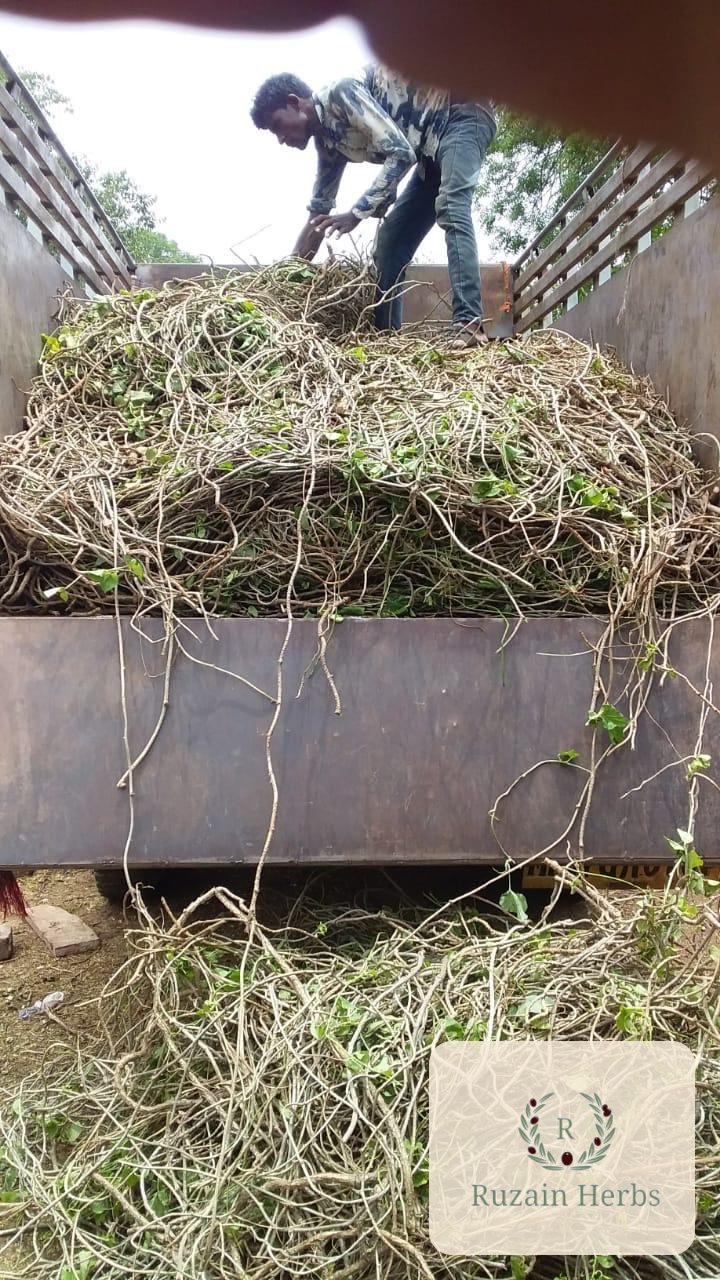
The collectors are tribal and forest-dwelling families who have worked these ranges for generations. They know which month a root carries weight, which slope gives cleaner leaf, and which tree can be tapped again next year. Cutting is done so the plant returns — roots are lifted in rotation, bark is taken in strips, never ring-barked, and seed is left standing on part of every patch.
The main flush runs October to March, once the monsoon growth has hardened and dries clean. Lots come in to our yard, get weighed and paid for on the spot, and are graded before they are ever bagged. What does not meet the cut goes back — we would rather lose a lot than send you sticks and soil.
Collection is a livelihood here, not a transaction. We buy on fair-trade terms, pay at the yard, and go back to the same families season after season — which is how biodiversity and income stay in balance instead of one eating the other.
Behind the trade side is our founder’s own background in supply chain, quality assurance and international markets — the reason a forest product can reach a factory in Europe or the Gulf with the grade, papers and schedule the buyer expects.
A short list of items — Ashwagandha, Safed Musli, Shatavari, Stevia, dry ginger — is not viable to gather from the wild in quantity, so those come from growers we have bought from season after season. Every card in the list above says which is which, so you always know what you are buying.
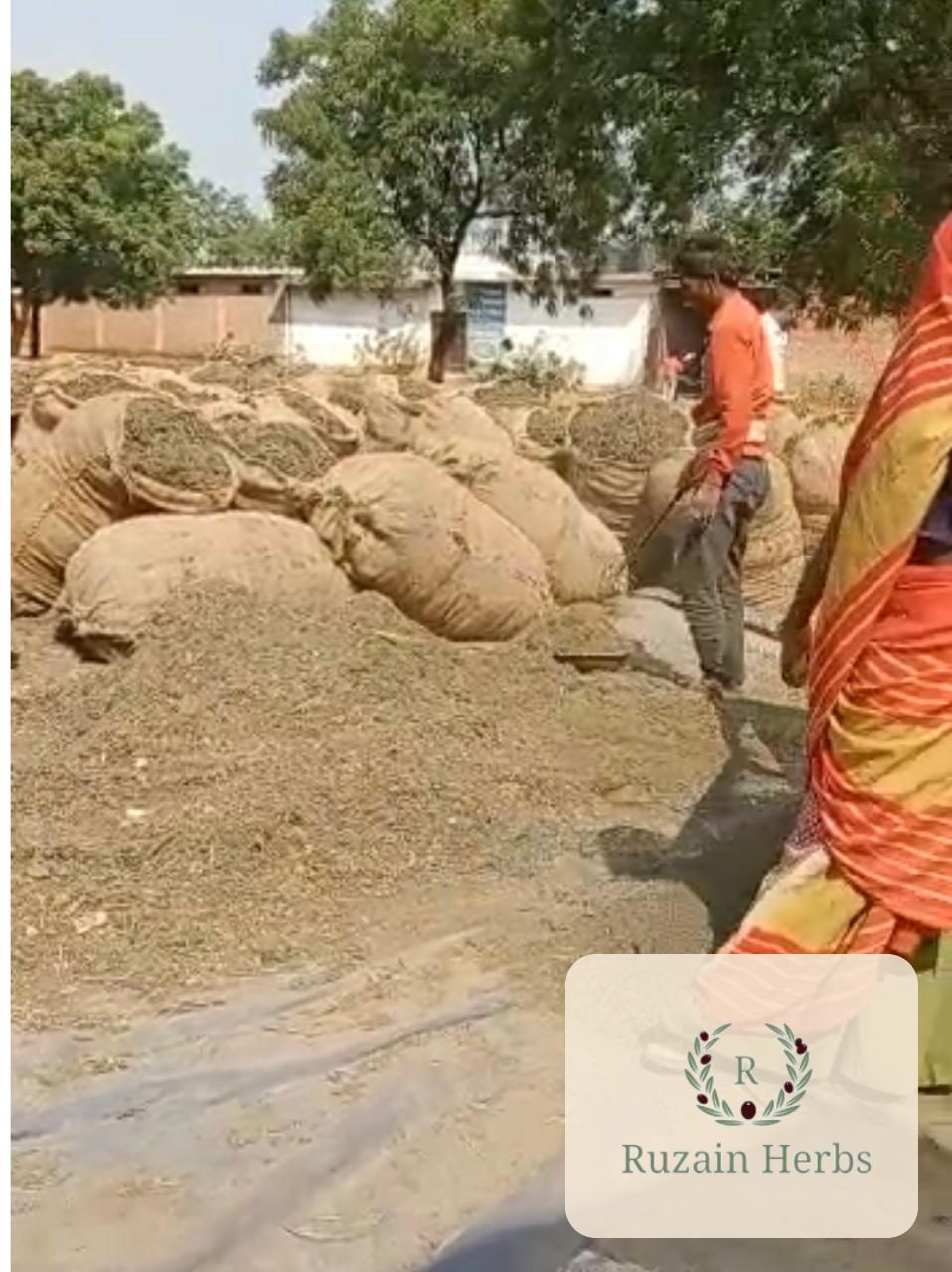
How a lot is readied
Wild material, handled to factory standard
Sorting by hand
Stones, mud, stalk and stray plant matter are picked out — the part of forest material that most suppliers skip. Roots are washed where the item calls for it.
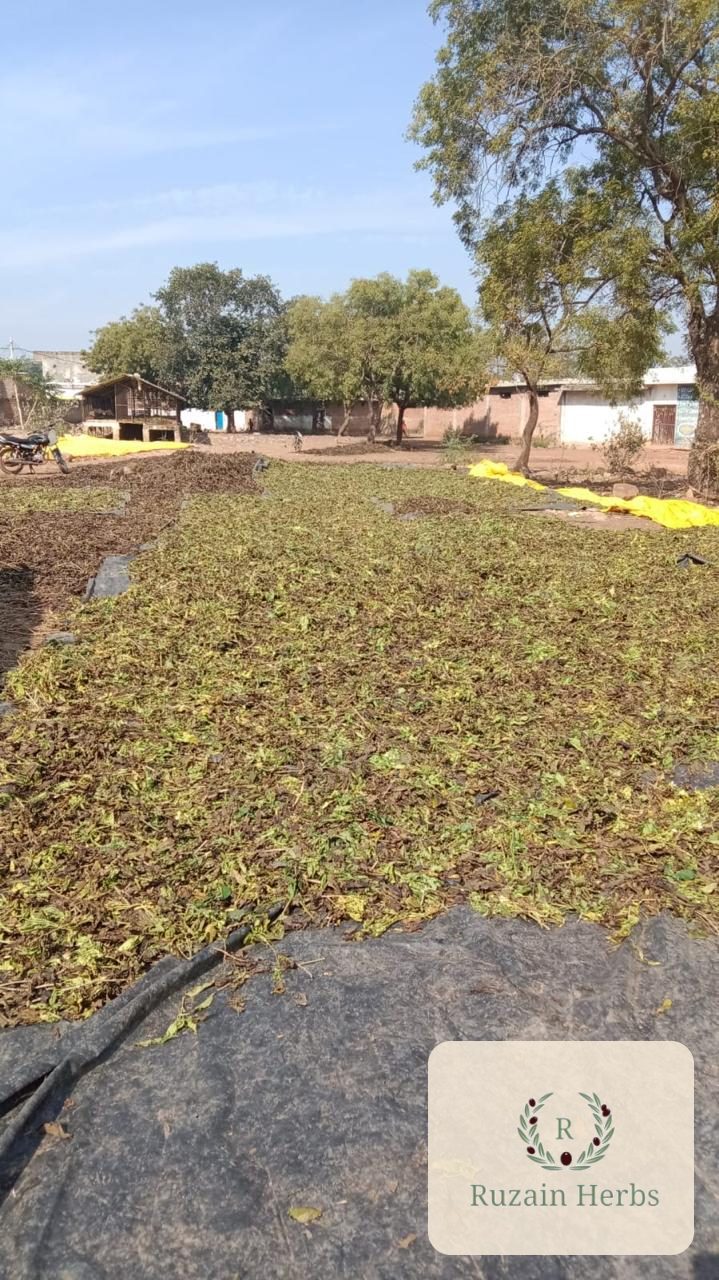
Sun and shade drying
Leaf and flower dry in shade to hold colour and volatile oil; roots, bark and fruit go on the open yard until the moisture settles.
Sieving and grading
Fines are screened out and lots graded on size and cut. Tell us the sieve or cut your line works with and we match it.
Packing and papers
Jute or PP bags, liner inside on request, stitched and marked with item and lot. GST invoice with every dispatch; lab report and export papers on request.
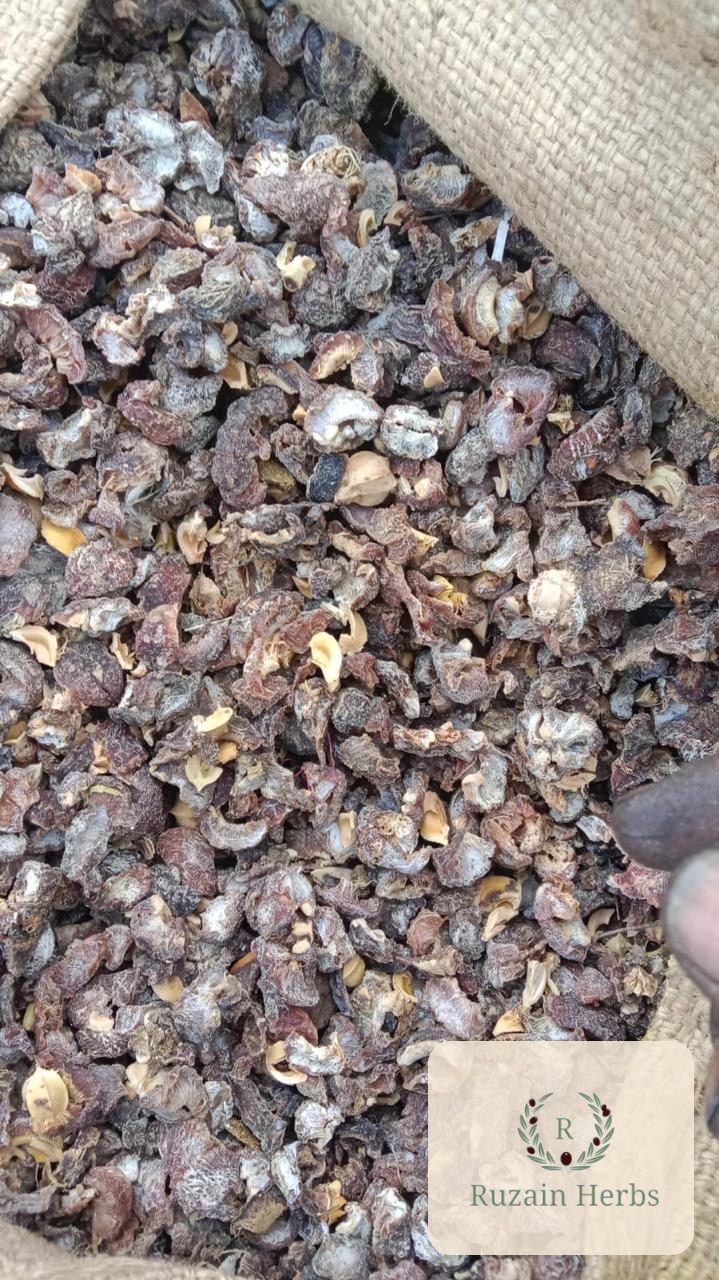
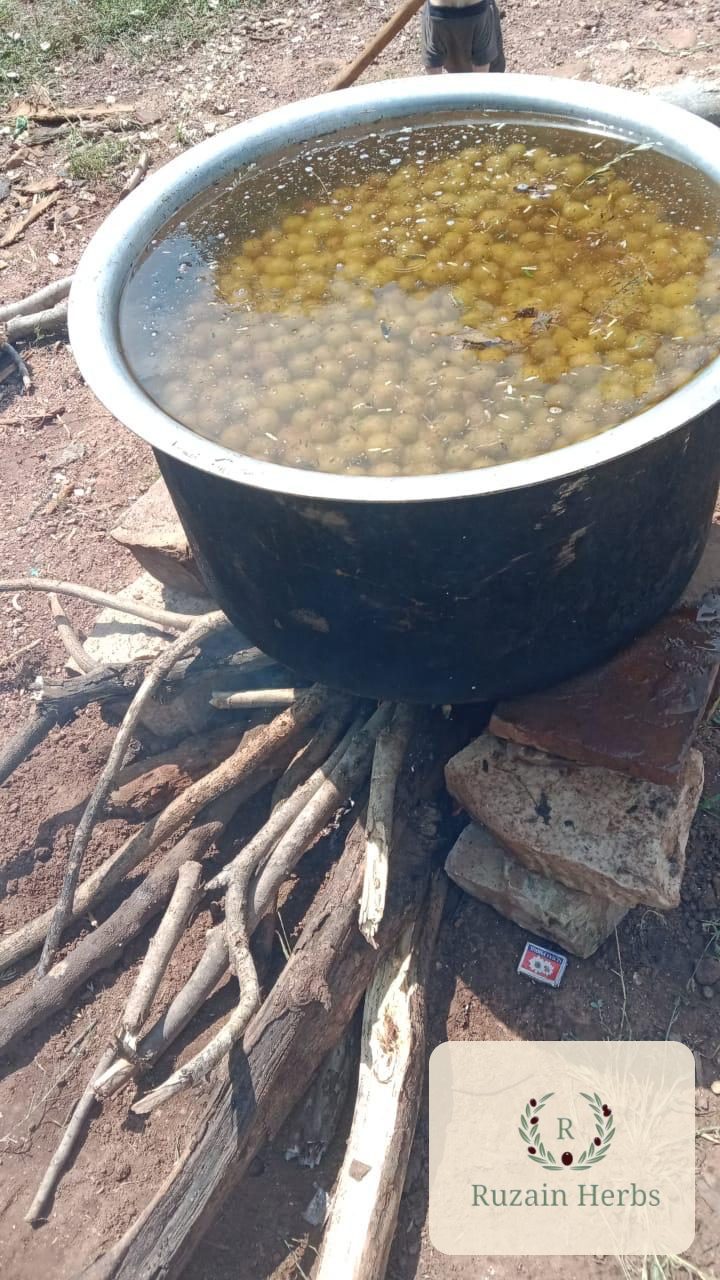
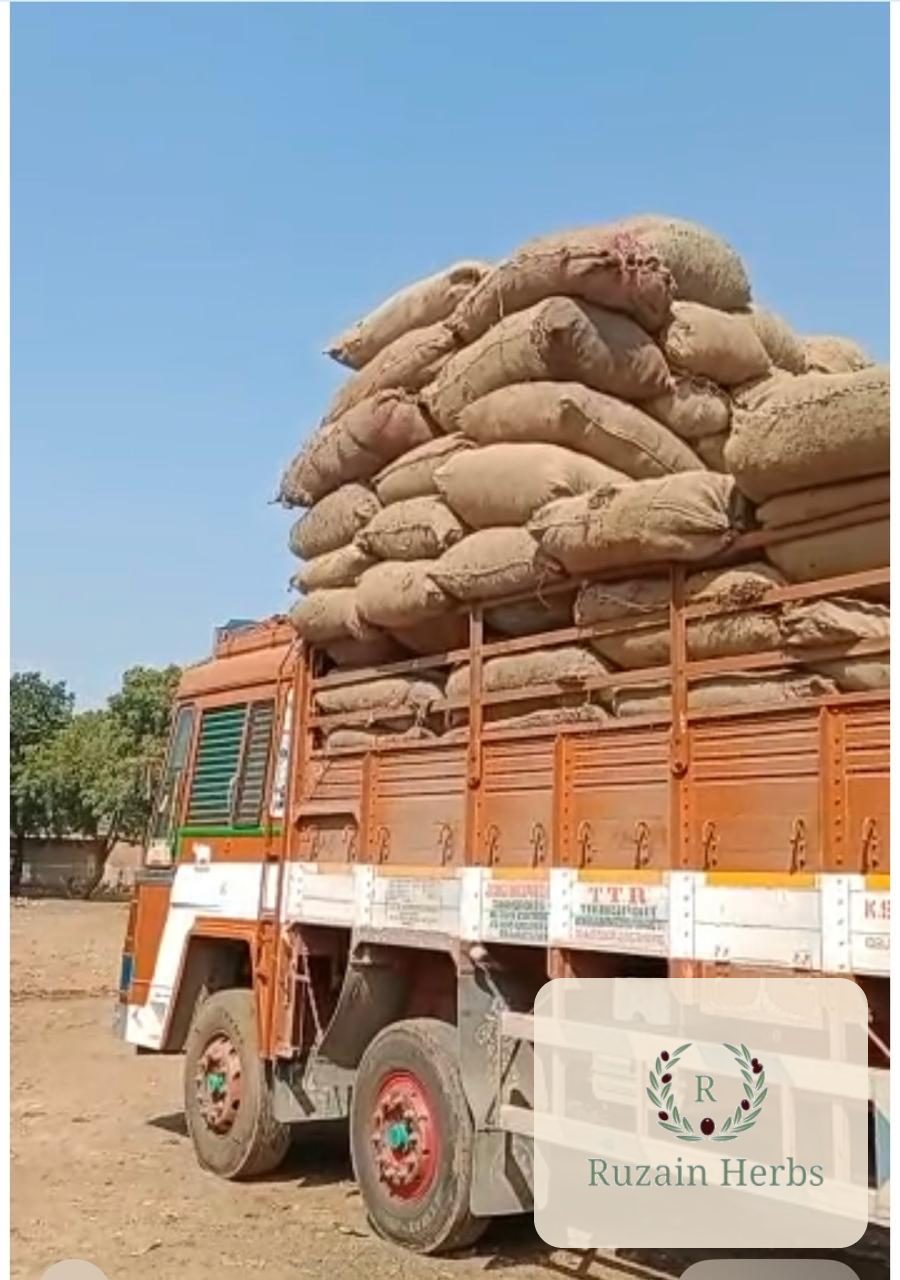
Sample against your own specification before a bulk order — the fastest way for both of us to agree on what a grade means. We supply raw botanical material for further processing and make no medicinal claims on any item.
Enquiry
Tell us the herb and the quantity
Wild collection means rates and availability move with the season, so we quote on enquiry instead of printing a price list. Send the item, the form and the quantity — we come back with availability, rate and freight. Exporters: tell us the port and the documents you need and we will confirm what we can put with the consignment.
Guna Chungi Naka, Industrial Area, Shivpuri, Madhya Pradesh 473551, India
Common questions
Buying wild-harvested raw herbs
Is the material wild or cultivated?
Almost everything we trade is wild-collected from the forest belt. A handful of items are not viable to gather in quantity and come from known growers instead — every card in the list is marked, and we never pass one off as the other.
Why does wild material cost more?
It is gathered plant by plant across a wide area, in a window the season decides. What you get for it is the constituent profile buyers and extraction units look for, which farmed material grown fast on fertiliser tends not to carry.
Are you a direct supplier or a broker?
Direct. We buy from the collectors themselves, and the drying yard, grading floor and godown are ours. Nothing passes through a chain of hands before it reaches you.
Do you supply exporters?
Yes, and we take direct export enquiries. Third-party lab reports, phytosanitary and consignment documentation are arranged at actuals — tell us the destination and the paperwork your buyer expects.
What quantity do you supply?
We cater exclusively to bulk orders — Ayurvedic manufacturers, pharmaceutical companies, extraction units and global distributors. The workable minimum moves with the item and the season, so send your requirement and we will answer honestly.
Which season should I order in?
Fresh collection arrives October through March, and that is when rates and availability are best. Book large or unusual requirements before the flush so collection can be planned for you.